Memory Foam vs Regular Pregnancy Pillows: Which Works Better?
Understanding Pregnancy Pillow Construction Materials
The substrate composition of pregnancy pillows fundamentally determines their therapeutic efficacy and longevity. Memory foam, a viscoelastic polyurethane derivative, exhibits thermoplastic properties that enable it to conform precisely to anatomical contours. This material responds to body heat and pressure, creating a personalized cradle that redistributes weight evenly across contact surfaces.
Regular pregnancy pillows typically utilize conventional fill materials such as polyester fiberfill, down alternative, or microbeads. These substrates maintain a more static structure, providing generalized support without the adaptive characteristics inherent in memory foam construction.
Viscoelastic Properties and Pressure Relief
The cellular structure of memory foam contains open-cell configurations that facilitate air circulation while maintaining structural integrity. When compressed, these cells displace air gradually, creating the characteristic slow-recovery response. This mechanism enables sustained pressure distribution, potentially alleviating stress points commonly experienced during pregnancy.
Conventional fill materials compress uniformly under load but lack the graduated response that characterizes memory foam. While they provide immediate cushioning, they may create pressure concentrations at prominent anatomical landmarks such as the hip trochanter or shoulder acromion.
Memory Foam Pregnancy Pillow Benefits for Expectant Mothers
The therapeutic advantages of memory foam pregnancy pillows extend beyond basic comfort enhancement. These specialized support systems address the biomechanical challenges associated with progressive gestational changes, offering targeted relief for common pregnancy-related discomforts.
Spinal Alignment and Postural Support
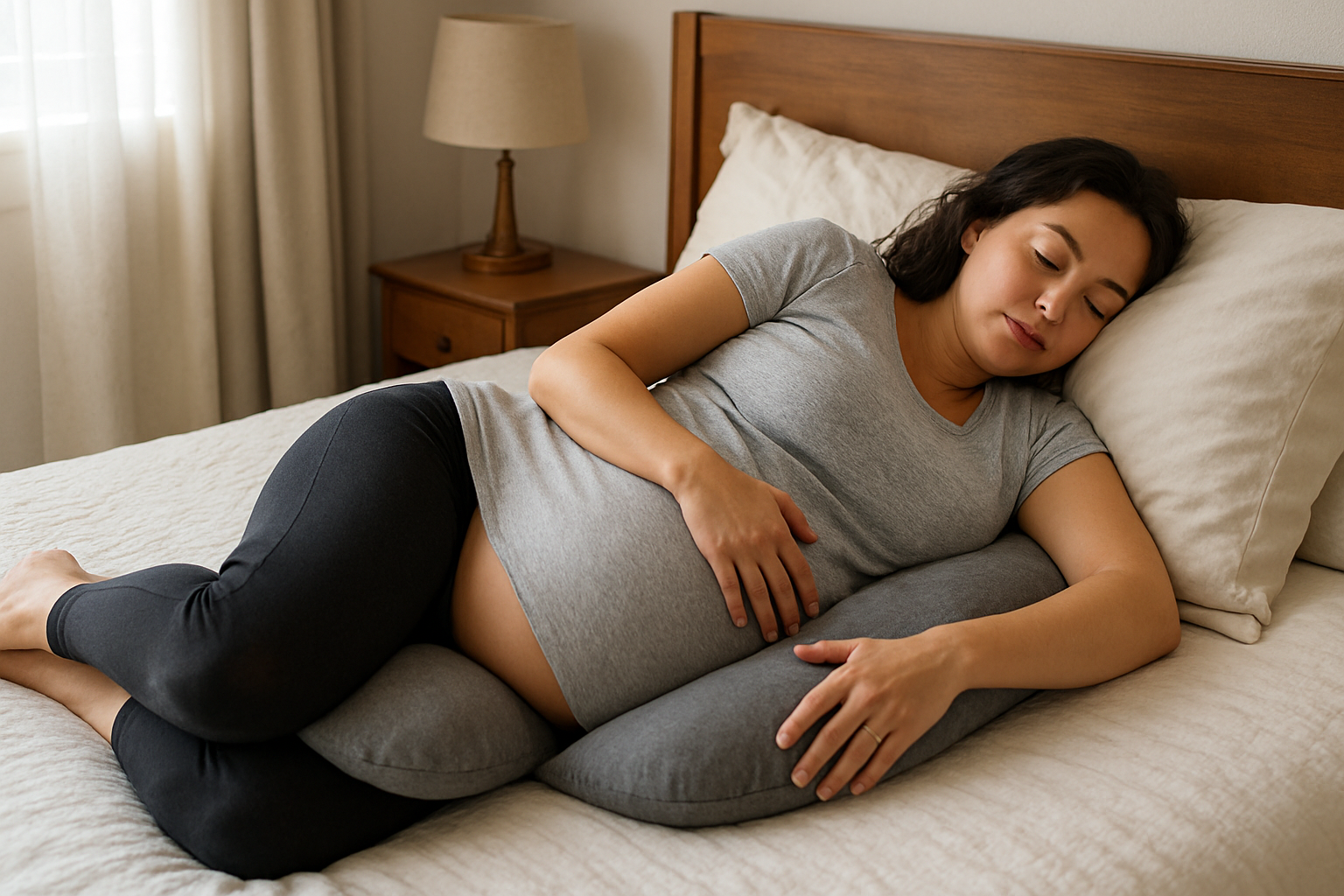
Memory foam's conforming characteristics facilitate optimal spinal curvature maintenance during lateral recumbency. The material's ability to fill anatomical voids, particularly in the lumbar lordotic region, helps preserve neutral spine positioning. This alignment reduces muscular tension and minimizes nocturnal awakening due to positional discomfort.
The density gradient within quality memory foam creates zones of varying firmness, accommodating different body regions simultaneously. Heavier areas receive enhanced support while lighter contact points experience gentle cushioning, promoting balanced weight distribution.
Circulatory Enhancement and Edema Reduction
Proper positioning facilitated by memory foam pillows can improve venous return from the lower extremities. By maintaining slight elevation and reducing pressure points, these supports may help minimize dependent edema formation common in advanced pregnancy stages.
"The graduated compression and support provided by memory foam can significantly impact sleep quality and overall comfort during pregnancy, particularly in the second and third trimesters when conventional positioning becomes challenging."
Spotlight: OYO Baby Memory Foam Pregnancy Wedge Pillow
The OYO Baby Memory Foam Pregnancy Wedge Pillow exemplifies thoughtful ergonomic design tailored for expectant mothers. This compact yet effective solution addresses the specific positioning challenges encountered during pregnancy while maintaining portability and versatility.
Crafted with premium memory foam core technology, this wedge pillow provides targeted support for the belly, back, and hip regions. Its triangular configuration allows for multiple positioning options, accommodating side sleeping preferences while supporting the growing abdomen. The removable, washable cover ensures hygiene maintenance throughout extended use periods.
The pillow's compact footprint makes it ideal for travel or supplementary support alongside existing bedding arrangements. Its ergonomic design promotes comfortable side sleeping positioning, which healthcare professionals recommend during pregnancy for optimal maternal and fetal circulation.
Regular Pregnancy Pillow Characteristics and Performance
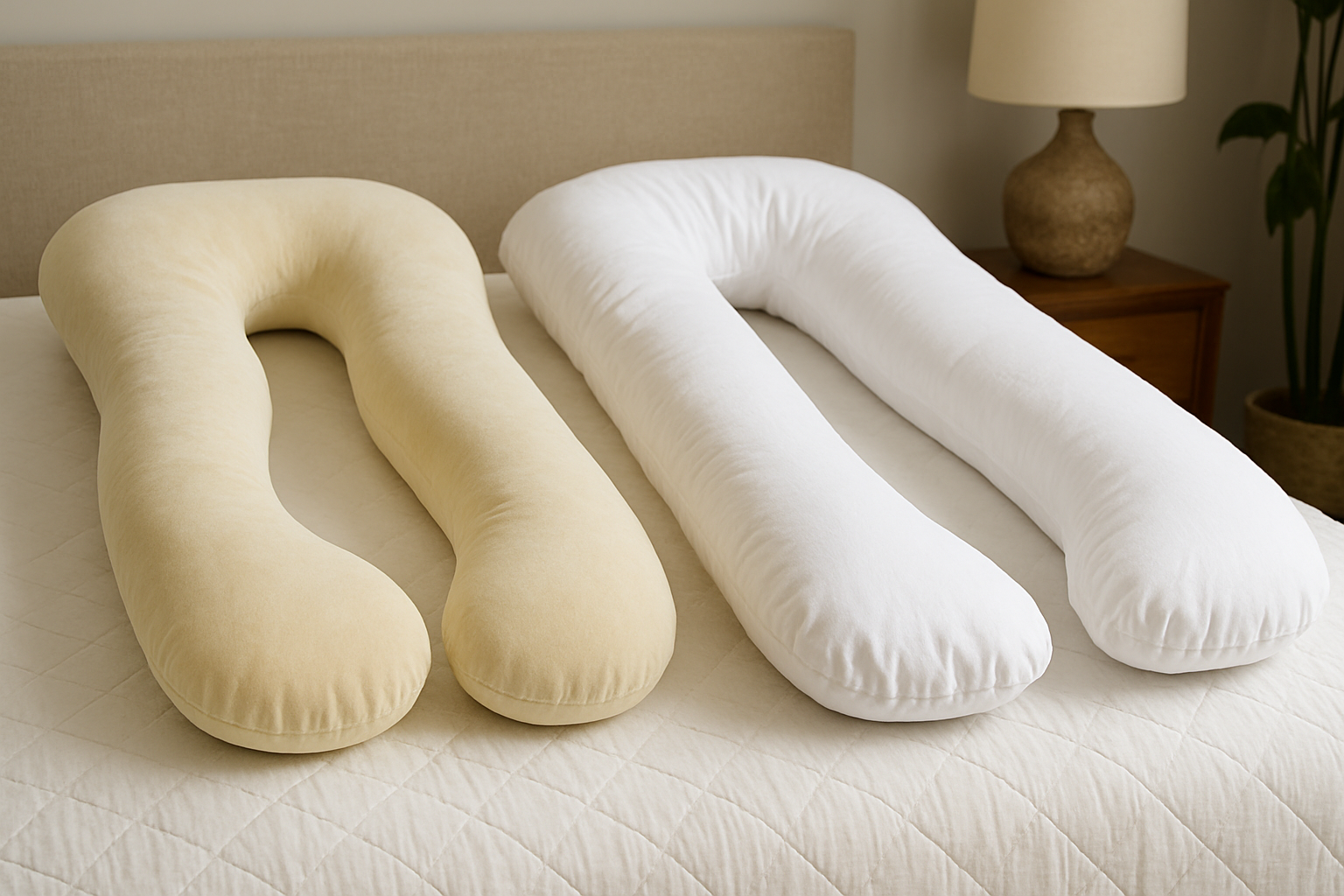
Traditional pregnancy pillows encompass various designs including C-shaped, U-shaped, and wedge configurations filled with conventional materials. These products often prioritize immediate comfort and affordability over long-term therapeutic benefits.
Fill Material Variations
Polyester fiberfill represents the most common filling in regular pregnancy pillows. This synthetic material provides lightweight cushioning with reasonable durability. However, it tends to compress permanently over time, potentially diminishing support effectiveness.
Down alternative fills offer enhanced loftiness and compressibility compared to standard polyester. These materials excel in temperature regulation but may lack the sustained support necessary for extended use periods.
Microbead fills provide unique tactile characteristics, conforming moderately to body contours while maintaining structural flexibility. However, they may generate noise during movement and can shift within the pillow casing, creating uneven support distribution.
Durability and Longevity Considerations
Regular pregnancy pillows typically experience gradual deterioration of support properties due to fill material compression and settling. This degradation becomes particularly pronounced with frequent use, potentially necessitating replacement during or after pregnancy.
| Fill Material | Initial Comfort | Longevity | Support Consistency |
|---|---|---|---|
| Memory Foam | Moderate (adjustment period) | Excellent | High |
| Polyester Fiberfill | High | Moderate | Declining |
| Down Alternative | High | Good | Variable |
| Microbeads | Good | Poor | Inconsistent |
Comparative Analysis: Memory Foam vs Regular Options
The selection between memory foam and regular pregnancy pillows involves evaluating multiple performance parameters against individual needs and preferences. Each category presents distinct advantages and potential limitations that merit careful consideration.
Temperature Regulation Properties
Memory foam traditionally retained body heat due to its dense cellular structure, potentially causing thermal discomfort. However, contemporary formulations incorporate gel infusions, copper particles, or phase-change materials to enhance heat dissipation. Open-cell designs further improve airflow characteristics.
Regular pregnancy pillows with fiberfill or down alternative materials typically provide superior initial breathability. These fills create larger air pockets that facilitate convective cooling, making them potentially more suitable for warm climates or heat-sensitive individuals.
Maintenance and Hygiene Considerations
Memory foam requires specific care protocols to maintain performance characteristics. Direct washing can damage the cellular structure, necessitating spot cleaning or professional maintenance. However, removable covers enable regular washing while protecting the core material.
Regular pregnancy pillows often accommodate machine washing, simplifying maintenance requirements. This advantage becomes particularly relevant given the increased hygiene awareness during pregnancy and the potential for extended use periods.
Addressing Common Pregnancy Sleep Challenges
Pregnancy introduces numerous sleep disruptions stemming from physical discomfort, hormonal fluctuations, and positional limitations. Understanding how different pillow types address these challenges can inform optimal selection decisions.
Round Ligament Pain and Abdominal Support
The expanding uterus places increasing tension on supporting ligaments, particularly the round ligaments extending from the uterine fundus to the inguinal region. Memory foam's conforming properties can provide gentle, consistent support that adapts to changing body contours throughout the night.
Regular pillows may require frequent repositioning to maintain optimal support as the body shifts during sleep cycles. This adjustment requirement can contribute to sleep fragmentation and reduced rest quality.
Hip and Pelvic Pressure Relief
Side sleeping, while recommended during pregnancy, can create significant pressure concentrations at the hip and shoulder regions. Memory foam's pressure-redistributing characteristics help minimize these stress points by creating broader contact areas and reducing peak pressures.
- Gradual contouring to hip anatomy reduces pressure point formation
- Sustained support prevents sinking that could misalign the spine
- Temperature-responsive adjustment accommodates movement without losing support
- Consistent firmness throughout the night minimizes repositioning needs
Making the Optimal Choice for Your Needs
The decision between memory foam and regular pregnancy pillows should align with individual comfort preferences, sleep patterns, and specific pregnancy-related challenges. Consider your typical sleep temperature preferences, sensitivity to firmness variations, and the severity of pregnancy-related discomfort.
Budget considerations also influence selection, as memory foam options typically command premium pricing due to material costs and manufacturing complexity. However, the extended lifespan and consistent performance may provide superior long-term value despite higher initial investment.
Evaluate your existing sleep environment and bedding configuration to ensure compatibility with your chosen pillow type. Some individuals find memory foam requires an adjustment period as the body adapts to the different support characteristics compared to conventional bedding.
Ultimately, the most effective pregnancy pillow is one that promotes consistent, restorative sleep while supporting your changing body throughout this transformative period. Whether you choose the adaptive precision of memory foam or the immediate comfort of traditional fills, prioritize products from reputable manufacturers committed to safety and quality in maternal wellness products.