Maternity Sleep Tips: Comfortable Positions for Third Trimester
Understanding Third Trimester Sleep Challenges
The final stretch of pregnancy brings unprecedented physical transformations that significantly impact nocturnal comfort. As your growing uterus reaches its zenith, finding restful positioning becomes increasingly arduous. Your expanding abdomen creates gravitational pressures on vital organs, while heightened progesterone levels and increased blood volume contribute to sleep fragmentation.
Expecting mothers frequently experience symphysis pubis dysfunction, sciatic nerve compression, and gastroesophageal reflux during this pivotal period. These physiological adaptations necessitate strategic positioning modifications to achieve restorative slumber. Understanding these challenges empowers you to implement targeted maternity sleep tips that address specific discomfort patterns.
Physical Changes Affecting Sleep Quality
Your body undergoes remarkable metamorphoses during the third trimester. The uterus expands to accommodate your growing baby, displacing internal organs and creating pressure on the diaphragm. This compression often results in shallow breathing patterns and frequent awakening. Additionally, the relaxin hormone softens ligaments throughout your pelvis, causing joint instability and positional discomfort.
Venous compression becomes particularly pronounced when lying supine, as the gravid uterus compresses the inferior vena cava. This compression reduces venous return to the heart, potentially causing dizziness, nausea, and decreased fetal circulation. Recognizing these anatomical considerations forms the foundation for implementing effective positioning strategies.
Optimal Sleep Positions for Third Trimester
Strategic positioning during the third trimester requires understanding biomechanical principles and fetal positioning dynamics. The goal involves maintaining spinal alignment while optimizing uterine circulation and minimizing organ compression. These evidence-based positioning techniques promote both maternal comfort and fetal well-being.
"Lateral decubitus positioning, particularly left-side lying, represents the gold standard for third-trimester sleep positioning due to enhanced uteroplacental circulation and reduced caval compression." - Maternal Sleep Research Institute
Left Lateral Positioning Benefits
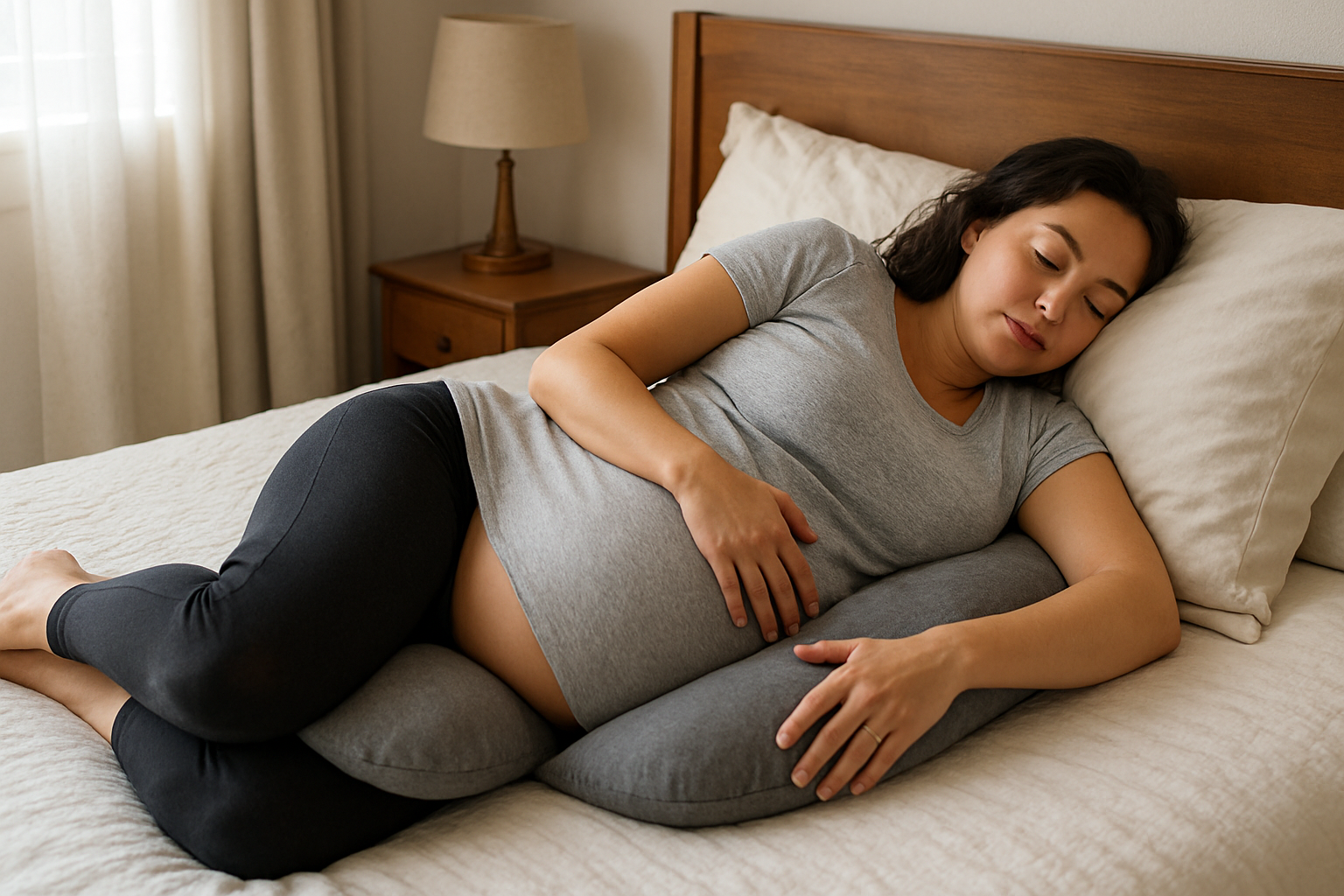
The left lateral position emerges as the paramount choice for third-trimester sleep optimization. This positioning maximizes blood flow to the placenta by preventing compression of the inferior vena cava and aorta. Enhanced circulation delivers optimal oxygen and nutrients to your developing baby while facilitating efficient waste product removal.
Left-side sleeping also promotes kidney function, reducing fluid retention and minimizing extremity edema. The gravitational forces in this position encourage proper lymphatic drainage and venous return. Many expectant mothers notice decreased morning swelling and improved energy levels when consistently maintaining left lateral positioning throughout the night.
Right Lateral Positioning as Alternative
While left lateral positioning remains optimal, right lateral positioning provides acceptable alternative comfort for varying sleep preferences. Some mothers experience improved breathing or reduced hip pressure when occasionally switching to right-side positioning. This variation prevents prolonged pressure on specific anatomical structures while maintaining the benefits of lateral decubitus positioning.
Alternating between left and right lateral positions during the night can alleviate pressure points and prevent positional stiffness. However, prioritizing left lateral positioning for the majority of sleep duration ensures optimal circulatory benefits for both mother and baby.
Strategic Pillow Placement Techniques
Masterful pillow orchestration transforms ordinary sleep surfaces into ergonomic sanctuaries designed for third-trimester comfort. Strategic support placement addresses specific pressure points while maintaining proper spinal alignment throughout the night. These positioning techniques require understanding anatomical stress distribution and gravitational forces affecting pregnant bodies.
Pregnancy Pillow Configurations
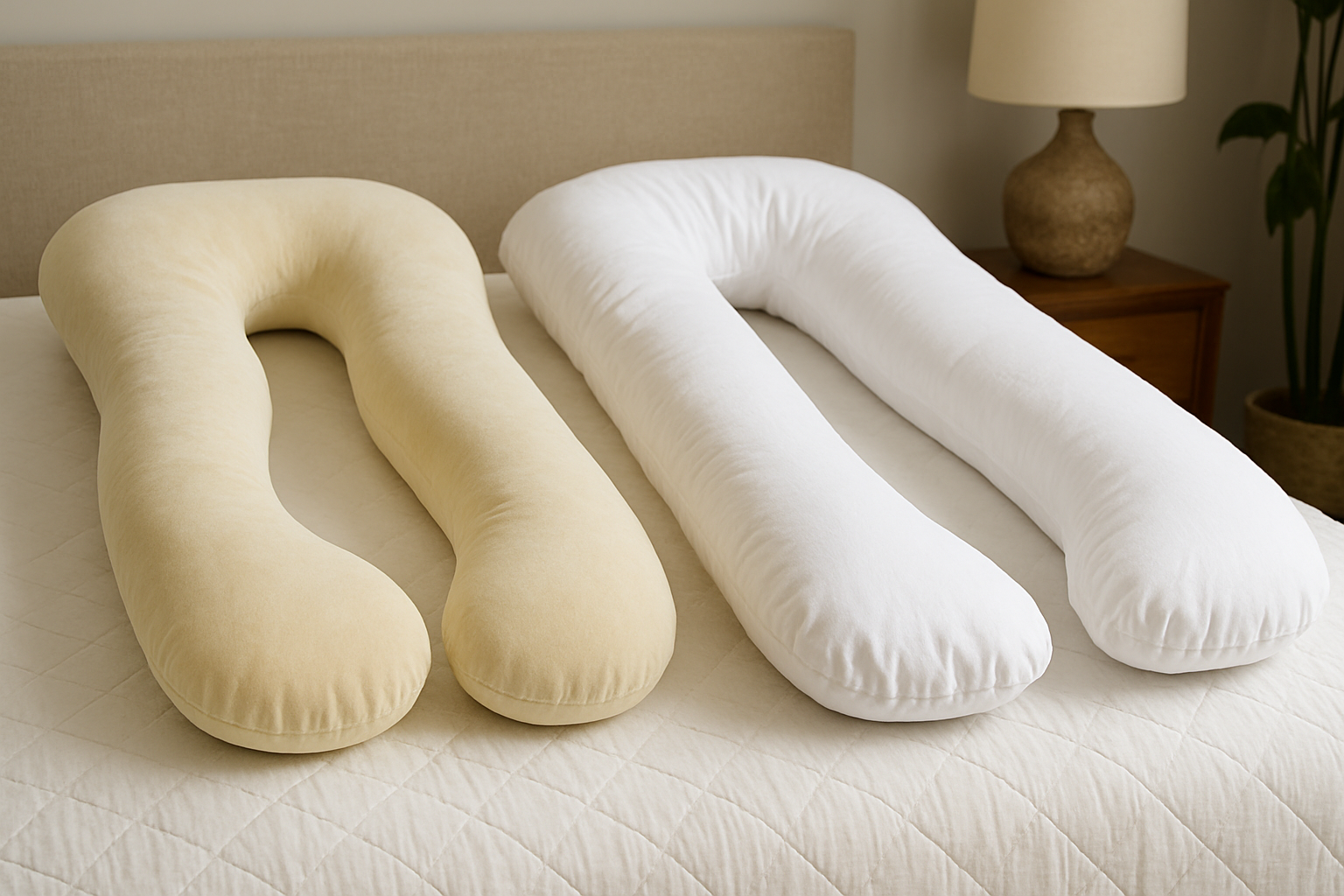
Specialized pregnancy pillows offer comprehensive support systems designed for evolving maternal anatomy. C-shaped and U-shaped configurations provide simultaneous back support, abdominal cradling, and leg elevation. These ergonomic designs eliminate the need for multiple standard pillows while ensuring consistent support throughout positional changes.
Full-body pregnancy pillows feature memory foam cores that contour to your unique body shape, providing customized support zones. The integrated design prevents pillow displacement during sleep, maintaining optimal alignment without requiring conscious repositioning. Quality pregnancy pillows utilize hypoallergenic materials and breathable covers to regulate temperature and prevent allergen accumulation.
Multi-Pillow Support Systems
Creating effective support systems using standard pillows requires strategic placement and proper sizing considerations. Position one pillow between your knees to maintain hip alignment and reduce sciatic nerve pressure. Place another pillow under your growing abdomen to prevent gravitational strain on round ligaments and abdominal muscles.
A small lumbar pillow positioned behind your lower back provides additional spinal support when side-lying. This configuration prevents backward rolling while maintaining the natural lumbar curve. Consider using a thin pillow under your upper arm to prevent shoulder compression and maintain comfortable arm positioning throughout the night.
| Pillow Placement | Primary Function | Secondary Benefits |
|---|---|---|
| Between knees | Hip alignment | Reduced sciatic pressure |
| Under abdomen | Uterine support | Round ligament relief |
| Behind back | Spinal support | Position maintenance |
| Under upper arm | Shoulder comfort | Improved circulation |
Creating an Optimal Sleep Environment
Environmental optimization extends beyond positioning to encompass ambient conditions that promote deep, restorative sleep. Temperature regulation becomes particularly crucial during pregnancy as metabolic changes increase core body temperature. Creating the ideal sleep sanctuary involves addressing multiple sensory factors that influence sleep quality.
Temperature and Humidity Control
Maintaining ambient temperatures between 65-68°F optimizes thermoregulatory comfort for pregnant women. Elevated progesterone levels and increased blood volume create internal heat generation that requires cooler environmental conditions. Proper humidity levels between 40-50% prevent respiratory irritation while maintaining skin comfort.
Consider investing in moisture-wicking sleepwear and breathable bedding materials that facilitate heat dissipation. Natural fiber sheets and pregnancy-specific sleepwear designed with ventilation panels help regulate body temperature throughout the night. Ceiling fans or white noise machines can provide gentle air circulation while masking environmental disturbances.
Essential Maternity Sleep Accessories
Thoughtfully selected sleep accessories can dramatically enhance comfort levels during the challenging third trimester. These specialized products address unique pregnancy-related sleep disruptions while providing long-term value for postpartum recovery periods. Quality accessories represent investments in both immediate comfort and future parenting needs.
Supportive Mattress Considerations
Medium-firm mattresses typically provide optimal support for pregnancy-related positional needs. Memory foam toppers can enhance pressure point relief without compromising spinal alignment. Waterproof mattress protectors become essential during the third trimester when increased bladder pressure and potential fluid leakage create practical concerns.
- Memory foam mattress toppers for pressure point relief
- Waterproof mattress protectors for leak protection
- Adjustable bed bases for elevation options
- Cooling gel inserts for temperature regulation
High-quality waterproof mattress protectors safeguard your sleep investment while providing peace of mind during late pregnancy. Look for protectors featuring breathable membranes that prevent moisture penetration without compromising airflow or comfort.
Addressing Common Third Trimester Sleep Disruptions
Understanding and proactively addressing frequent sleep disruptions enables better overall rest quality during the final pregnancy phase. These targeted strategies help minimize awakening frequency while maximizing restorative sleep phases essential for maternal and fetal health.
Frequent Urination Management
Gravitational pressure on the bladder intensifies during the third trimester, necessitating strategic fluid intake timing. Concentrate hydration efforts during earlier daylight hours while reducing intake 2-3 hours before bedtime. This approach maintains proper hydration without excessive nocturnal bathroom visits.
Position a small nightlight along your bathroom route to minimize sleep disruption during necessary visits. Avoid bright overhead lighting that can interfere with melatonin production and subsequent sleep resumption. Consider bladder training exercises to improve capacity and reduce urgency frequency.
Heartburn and Reflux Prevention
Gastroesophageal reflux becomes increasingly problematic as the growing uterus compresses digestive organs. Elevating your upper body 6-8 inches using pillows or an adjustable bed base helps prevent acid migration during sleep. This gravitational assistance reduces nocturnal reflux episodes and associated awakening.
Avoid large meals within three hours of bedtime, focusing instead on light, easily digestible options. Consider keeping antacids bedside for quick relief if reflux symptoms occur. Sleeping on your left side further promotes gastric emptying and reduces reflux probability.
By implementing these comprehensive maternity sleep tips, expectant mothers can achieve improved rest quality during the challenging third trimester. Remember that quality sleep accessories, including supportive pregnancy pillows and waterproof mattress protectors, represent valuable investments in both comfort and practicality during this transformative period.