Baby Care Product Comparisons: What New Parents Need to Know
Understanding the Landscape of Baby Care Product Comparisons
Navigating the expansive realm of baby care products can feel overwhelming for new parents. The marketplace saturates with countless options, each promising superior comfort, safety, and convenience for your precious little one. Understanding how to conduct meaningful baby care product comparisons becomes paramount when selecting items that will directly impact your infant's wellbeing and your family's daily routine.
The proliferation of baby care essentials demands discerning evaluation. From swaddling accessories to dermatologically-tested cleansing solutions, each product category presents unique considerations that extend beyond superficial marketing claims. Comprehensive comparison methodologies enable parents to make informed decisions based on substantive factors rather than promotional rhetoric.
Essential Categories for Product Evaluation
Sleep and Comfort Solutions
Sleep-related products constitute foundational elements of infant care regimens. Swaddle blankets exemplify products where material composition, breathability, and ease of application significantly impact both baby comfort and parental convenience. Premium options utilize organic cotton blends that maintain optimal temperature regulation while providing gentle compression.
Mattress protectors represent another critical component requiring thorough evaluation. Waterproof barriers must balance liquid resistance with breathability to prevent uncomfortable moisture accumulation. Advanced materials employ innovative membrane technologies that repel liquids while allowing air circulation, maintaining hygiene without compromising comfort.
Hygiene and Cleansing Products
Diaper selection involves multifaceted considerations encompassing absorbency, skin compatibility, and leak prevention. Superior products integrate multiple absorption layers with hypoallergenic materials that minimize irritation risks. The architecture of modern diapers employs strategic channel designs that distribute moisture effectively while maintaining structural integrity during extended wear periods.
Cleansing wipes demand particular scrutiny regarding ingredient formulations. Products containing harsh chemicals or synthetic fragrances may compromise delicate skin barriers. Optimal selections feature gentle, plant-derived cleansing agents that effectively remove impurities without disrupting natural skin pH levels.
Critical Comparison Factors
Safety and Toxin Considerations
Toxin-free manufacturing represents non-negotiable criteria when evaluating baby care products. Comprehensive safety assessments should examine potential exposure to harmful substances including phthalates, parabens, and volatile organic compounds. Reputable manufacturers provide transparent ingredient disclosures and third-party safety certifications.
Parents should prioritize products that undergo rigorous safety testing and maintain certifications from recognized organizations such as GREENGUARD Gold or OEKO-TEX Standard 100, ensuring minimal chemical emissions and skin-safe materials.
Material sourcing practices significantly influence product safety profiles. Organic and sustainably-harvested materials typically undergo less chemical processing, reducing potential contaminant exposure. Verification of manufacturing standards provides additional assurance regarding product integrity and safety compliance.
Performance and Durability Metrics
Evaluating product longevity prevents frequent replacements while ensuring consistent performance throughout the usage period. Durable construction materials withstand repeated washing cycles without degradation, maintaining functionality and appearance over extended timeframes.
Performance benchmarks vary significantly across product categories. Absorption rates, leak-resistance duration, and material integrity under stress represent quantifiable metrics that facilitate objective comparisons. Premium products consistently demonstrate superior performance across multiple evaluation criteria.
Specialized Products for Enhanced Care
Skincare and Massage Solutions
Infant massage oils require careful formulation considerations to ensure skin compatibility and therapeutic benefits. Cold-pressed, organic oils maintain nutritional properties while providing optimal skin nourishment. Jojoba, sweet almond, and coconut oils offer distinct advantages for different skin types and sensitivity levels.
Product absorption rates influence application frequency and effectiveness. Lightweight formulations penetrate efficiently without leaving residual films, while heavier oils provide extended moisturization for particularly dry or sensitive skin conditions.
Maternity Support Products
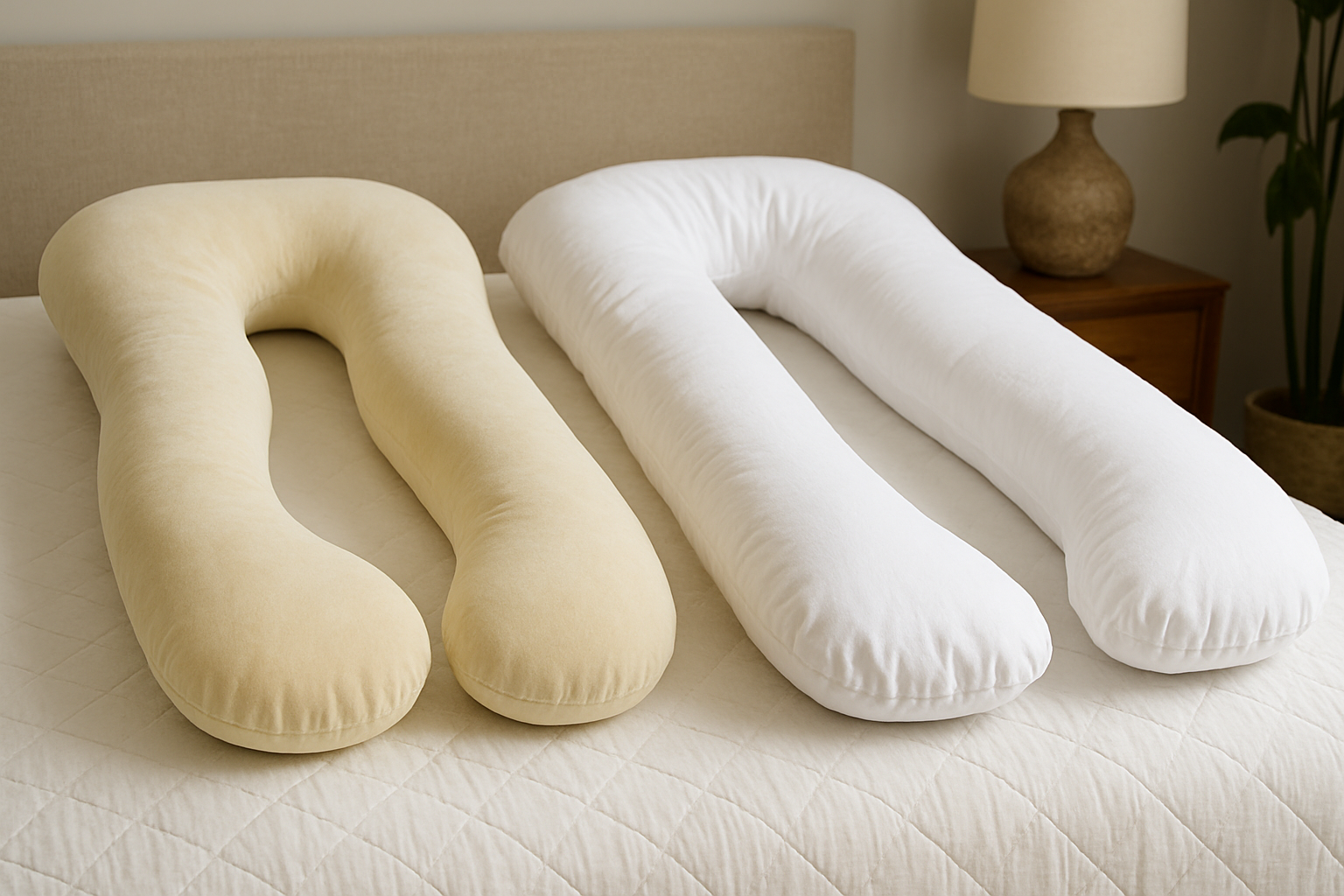
Pregnancy pillows demonstrate the importance of ergonomic design in product effectiveness. Optimal configurations provide targeted support for multiple body positions while maintaining structural integrity throughout pregnancy progression. Memory foam and microfiber fill materials offer distinct comfort characteristics suitable for different preferences.
Making Informed Purchasing Decisions
Research Methodologies
Effective product research incorporates multiple information sources to develop comprehensive understanding. Independent testing organizations, peer-reviewed studies, and verified user experiences provide valuable insights beyond manufacturer specifications.
- Consult pediatric dermatology recommendations for skin-contact products
- Review independent laboratory testing results for safety and performance
- Examine long-term user feedback regarding durability and satisfaction
- Compare ingredient transparency across similar products
Budget Optimization Strategies
Cost-effectiveness analysis should encompass total ownership costs rather than initial purchase prices. Higher-quality products often provide superior value through extended usage periods, reduced replacement frequency, and enhanced performance characteristics.
| Factor | Budget Option | Premium Option |
|---|---|---|
| Initial Cost | Lower | Higher |
| Replacement Frequency | More frequent | Less frequent |
| Performance Consistency | Variable | Consistent |
Common Evaluation Pitfalls to Avoid
Marketing hyperbole often obscures genuine product differentiation. Terms like "natural" or "gentle" lack standardized definitions and may not indicate superior safety or performance characteristics. Focusing on specific ingredient lists and certification standards provides more reliable evaluation criteria.
Price correlation with quality requires nuanced assessment. While premium products often justify higher costs through superior materials and manufacturing, expensive options don't guarantee optimal suitability for individual needs. Comprehensive feature comparison ensures alignment between product characteristics and specific requirements.
Frequently Asked Questions About Baby Care Product Comparisons
How do I determine if a baby care product is truly hypoallergenic?
Genuine hypoallergenic products undergo clinical testing with sensitive individuals and maintain documentation of reduced allergenicity. Look for specific testing protocols and certification from dermatological organizations rather than unsubstantiated marketing claims.
What's the difference between organic and natural baby care products?
Organic products meet specific agricultural and processing standards verified by certification bodies. Natural products may contain plant-derived ingredients but lack standardized requirements. Organic certification provides more reliable assurance of purity and processing methods.
Should I prioritize brand reputation or specific product features?
While established brands often maintain consistent quality standards, individual product evaluation remains essential. Focus on specific features, ingredients, and certifications that align with your requirements rather than relying solely on brand recognition.