Safe Baby Products: Complete Parent's Checklist 2026
Understanding Baby Product Safety Standards
Navigating the labyrinthine world of baby product regulations requires discerning parents to comprehend multiple safety frameworks. The Consumer Product Safety Commission (CPSC) establishes mandatory standards, while organizations like ASTM International develop voluntary specifications that manufacturers often exceed. These protocols encompass everything from phthalate restrictions to flame-retardant limitations, creating a comprehensive safety ecosystem.
Certification marks serve as your navigational compass. Look for JPMA (Juvenile Products Manufacturers Association) seals, which indicate third-party testing compliance. The GREENGUARD Gold certification specifically targets low chemical emissions, particularly crucial for nursery environments where babies spend countless hours breathing indoor air.
Remember: Safety standards evolve continuously. Products manufactured before recent regulatory updates may lack current protections, making manufacturing dates particularly relevant when purchasing or inheriting baby items.
Essential Safe Baby Products by Category
Sleep and Comfort Essentials
Sleep sanctuaries demand meticulous attention to safety protocols. Crib mattresses should demonstrate dual-firmness construction—firmer surfaces for infants transitioning to softer configurations for toddlers. Organic cotton covers without chemical flame retardants provide optimal breathability while maintaining fire safety through natural materials and tight construction.
Swaddle blankets require specific fabric considerations. Muslin weaves offer superior temperature regulation, preventing hyperthermia while maintaining the snug containment newborns crave. Ensure swaddles feature breakaway designs that accommodate natural movement as babies develop stronger motor reflexes.
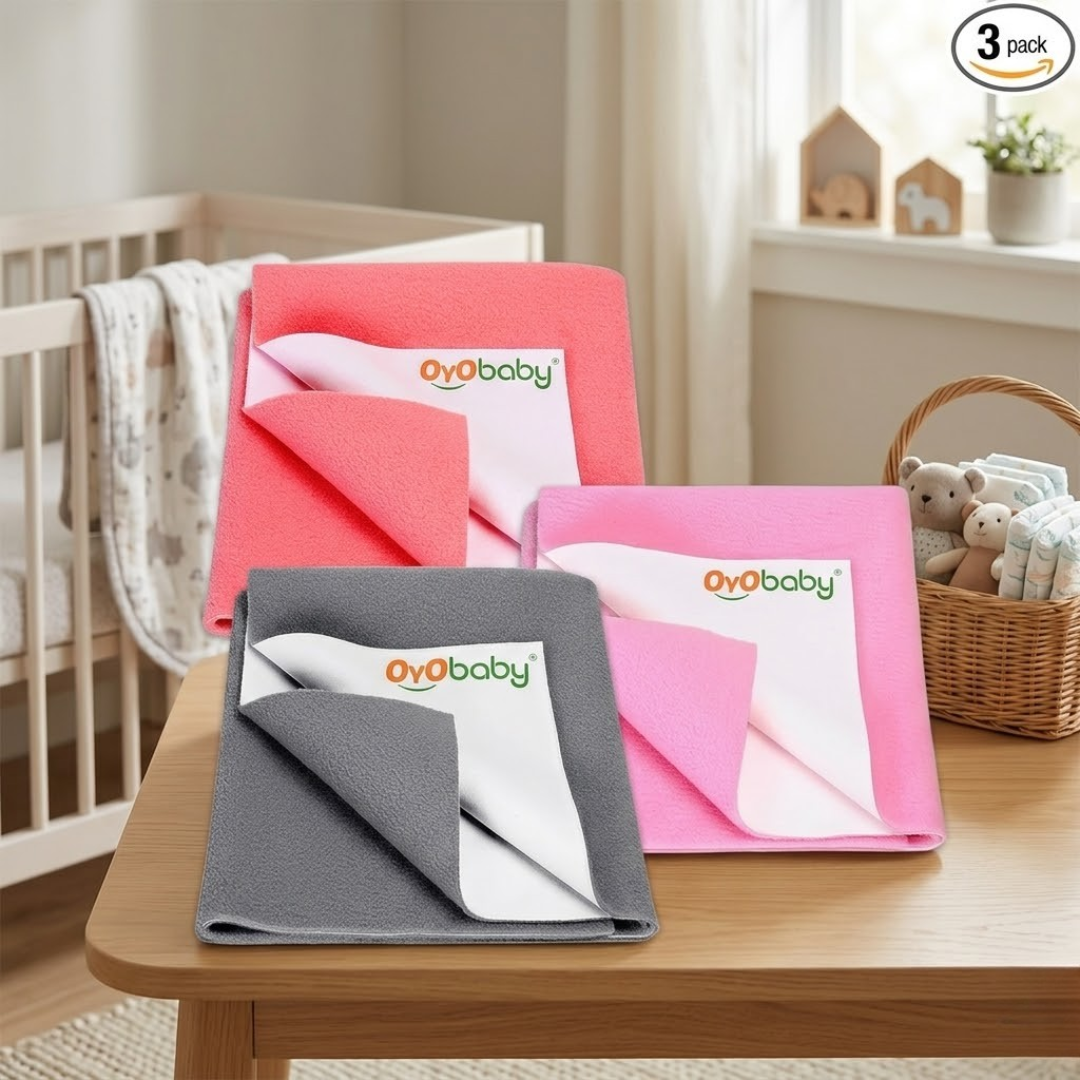
Waterproof mattress protectors eliminate moisture infiltration without compromising breathability. Polyurethane-free options utilize organic cotton terry with plant-based waterproof barriers, creating hypoallergenic environments that resist mold and bacterial proliferation.
Feeding and Nutrition Safety
Feeding apparatus requires stringent material scrutiny. Bottles manufactured from borosilicate glass or food-grade silicone eliminate BPA, phthalate, and other endocrine-disrupting compounds. Anti-colic designs incorporating advanced venting systems reduce air ingestion, minimizing digestive discomfort.
High chairs demand five-point harness systems with crotch posts preventing submarining incidents. Stable bases with wide footprints resist tipping, while removable trays facilitate thorough sanitization. Adjustable height mechanisms should lock securely without pinch points.
Hygiene and Skincare Products
Diaper selection extends beyond absorbency metrics. Chlorine-free processing eliminates dioxin residues, while hypoallergenic materials minimize contact dermatitis. Wetness indicators using non-toxic dyes provide convenience without compromising skin health.
Baby wipes require preservative-free formulations utilizing natural alternatives like citric acid or tocopherol. Fragrance-free options prevent allergic sensitization, particularly important for babies with eczema or sensitive skin conditions.
Massage oils demand cold-pressed extraction methods preserving beneficial compounds while eliminating chemical solvents. Coconut, jojoba, and sweet almond oils provide gentle moisturization without comedogenic properties.
Red Flags: Products to Avoid
Certain product categories present elevated risks despite widespread availability. Drop-side cribs, though potentially inherited or found secondhand, compromise structural integrity over time. The moving mechanisms create entrapment hazards that have resulted in numerous recalls.
Bath seats create false security impressions, leading to drowning incidents when caregivers momentarily divert attention. These devices cannot substitute for constant supervision during water activities.
Infant walkers demonstrate concerning developmental implications. Beyond strangulation and fall risks, these devices may actually delay walking milestones by strengthening incorrect muscle groups while limiting natural movement exploration.
Products containing the following substances warrant immediate avoidance:
- Formaldehyde-releasing preservatives
- Parabens in concentrations exceeding 0.4%
- Synthetic fragrances without full ingredient disclosure
- Lead-based paints or components
- Small parts failing the toilet paper tube test
Age-Appropriate Safety Considerations
Newborn to 6 Months
Neonatal safety prioritizes respiratory protection and temperature regulation. Products touching skin require dermatologist testing, while items entering mouths demand food-grade material certification. Loose bedding, including bumpers, blankets, and stuffed animals, should remain outside sleep environments per safe sleep guidelines.
Mobility remains limited, but products must anticipate developmental progressions. Changing tables require safety straps, while bouncy seats need secure harness systems preventing forward falls as babies gain head control.
6-12 Months
Increased mobility introduces new hazard categories. Baby-proofing products become essential as crawling begins. Cabinet latches, outlet covers, and corner guards transform homes into safer exploration environments.
Teething toys require specific safety considerations. Natural rubber and food-grade silicone options provide safe chewing surfaces, while avoiding painted decorations that might chip or flake. Size requirements become critical—products must resist breaking into choking-hazard fragments.
12+ Months
Toddler products emphasize fall protection and poisoning prevention. Stair gates require hardware mounting for top-of-stairs installations, while pressure-mounted options suffice for bottom barriers. Safety latches graduate to more sophisticated mechanisms as problem-solving abilities develop.
| Age Range | Primary Safety Focus | Key Product Features |
|---|---|---|
| 0-6 months | SIDS prevention, choking | Firm surfaces, appropriate sizing |
| 6-12 months | Mobility hazards, teething | Secure attachments, safe materials |
| 12+ months | Falls, poisoning | Sturdy construction, locking mechanisms |
Making Informed Purchase Decisions
Research methodology significantly impacts safety outcomes. Begin with manufacturer websites examining testing certifications and material disclosures. Third-party testing results provide unbiased performance data, while recall databases reveal historical safety issues.
Consumer reviews offer real-world insights, but approach with analytical skepticism. Focus on specific safety experiences rather than general satisfaction ratings. Professional reviews from pediatric organizations carry additional credibility weight.
Price considerations shouldn't compromise safety fundamentals. However, premium pricing doesn't automatically indicate superior safety. Evaluate cost-per-use calculations, especially for quickly outgrown items where borrowing or secondhand purchases might prove practical.
Installation and maintenance requirements deserve pre-purchase consideration. Products requiring complex assembly or frequent safety checks may pose risks if improperly maintained. Choose options matching your household's technical capabilities and maintenance commitment levels.
Frequently Asked Questions About Safe Baby Products
How frequently should I check for product recalls? Monthly recall database searches using product model numbers ensure current safety information. Subscribe to manufacturer newsletters and CPSC alerts for immediate notifications.
Are expensive organic products always safer than conventional alternatives? Organic certification addresses chemical residues but doesn't guarantee mechanical safety features. Evaluate both material composition and structural design elements independently.
When should I replace baby products for safety reasons? Replace items showing wear signs like loose connections, fabric tears, or missing components. Expiration dates on car seats and helmets indicate when materials may lose protective properties.
Can I safely use secondhand baby products? Research recall histories and inspect for wear or damage. Avoid car seats, cribs, and helmets with unknown histories, as previous accidents may compromise protective capabilities.
Creating a safe environment for your baby requires ongoing vigilance and informed decision-making. By understanding safety standards, recognizing quality indicators, and staying current with recall information, parents can confidently select products that protect their most precious family members while supporting healthy development.