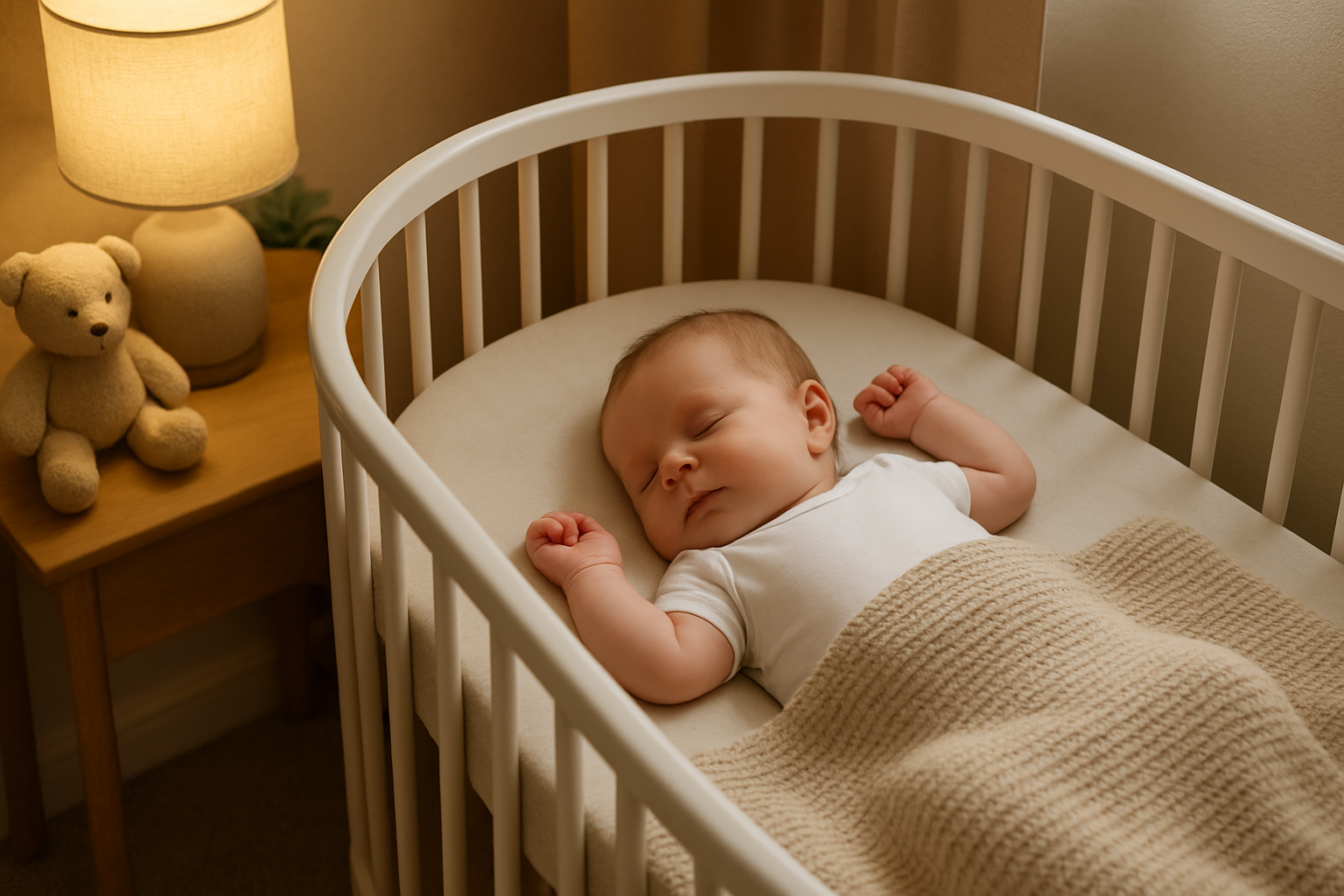
Creating the Perfect Newborn Sleep Environment: Expert Tips
Understanding Your Newborn's Sleep Patterns
Newborns exhibit distinctive sleep architecture that differs dramatically from adult circadian rhythms. During the first few months, babies cycle through sleep phases every 50-60 minutes, spending approximately 50% of their slumber in REM (Rapid Eye Movement) sleep. This heightened REM activity facilitates crucial neural development and memory consolidation.
Understanding these somnolent patterns helps parents create realistic expectations. Newborns typically sleep 14-17 hours per day, but this rest occurs in fragmented intervals of 2-4 hours. Their sleep-wake cycles gradually mature around 3-4 months when melatonin production begins to establish more predictable patterns.
Temperature regulation plays a pivotal role in newborn sleep quality. Babies cannot thermoregulate as effectively as adults, making environmental temperature control paramount for sustained rest periods.
Essential Elements of a Safe Sleep Environment
The Foundation: Choosing the Right Sleep Surface
A firm, flat mattress forms the cornerstone of safe infant sleep. The surface should provide adequate support while maintaining breathability to prevent carbon dioxide rebreathing. Avoid memory foam or overly plush surfaces that could create indentations around your baby's face.
Waterproof mattress protectors serve dual purposes—maintaining hygiene while preserving mattress integrity. Quality protectors create a barrier against moisture without compromising breathability, ensuring the sleep surface remains consistently clean and dry.
Temperature and Ventilation Optimization
The optimal nursery temperature ranges between 68-70°F (20-21°C). This thermoneutral zone minimizes metabolic stress while preventing overheating—a significant risk factor for sleep disruption. Adequate ventilation ensures fresh air circulation without creating drafts that might disturb your baby's slumber.
Consider using a room thermometer to monitor ambient conditions consistently. Humidity levels should remain between 30-50% to prevent respiratory irritation while maintaining comfortable breathing conditions.
Creating the Perfect Sleep Sanctuary
Lighting Considerations for Circadian Development
Newborns benefit from distinct lighting cues that gradually establish circadian rhythms. During daytime naps, soft natural light exposure helps differentiate day from night. Conversely, nighttime feedings should occur under dim, warm lighting to preserve melatonin production.
Blackout curtains or room-darkening shades create an optimal environment for extended sleep periods. However, complete darkness isn't always necessary for very young infants who haven't yet developed light sensitivity patterns.
Sound Environment and Acoustic Considerations
White noise machines can effectively mask household sounds that might startle sleeping babies. The consistent acoustic backdrop mimics intrauterine sounds, providing familiar auditory comfort. However, volume should remain below 50 decibels—roughly equivalent to rainfall—and the device should be positioned at least three feet from the crib.
"The womb environment provides constant background noise of approximately 85 decibels. Gentle white noise helps recreate this familiar soundscape while promoting longer sleep cycles." - Sleep Research Foundation
Swaddling and Sleep Positioning Techniques
Proper swaddling technique can significantly enhance sleep quality by preventing the startle reflex (Moro reflex) from disrupting rest. Quality swaddle blankets should provide gentle compression around the torso while allowing hip movement to prevent developmental dysplasia.
The swaddle should be snug around the chest but loose around the hips and legs. Arms should remain straight at the sides, with enough room for chest expansion during breathing. Always place swaddled babies on their backs to reduce SIDS risk.
Discontinue swaddling when your baby begins showing signs of rolling over, typically around 8-12 weeks. This transition period requires careful observation to maintain sleep quality while ensuring safety.
Common Sleep Environment Mistakes to Avoid
- Using loose bedding, pillows, or stuffed animals in the crib
- Overheating the nursery or over-bundling your baby
- Placing the crib near heating vents or direct sunlight
- Using sleep products that haven't been safety-tested
- Ignoring proper mattress fit within the crib frame
These missteps can compromise both safety and sleep quality. Each element of the sleep environment should serve a specific purpose while adhering to established safety protocols.
Age-Appropriate Sleep Environment Adjustments
Sleep needs evolve rapidly during the first year. Newborns (0-3 months) require different environmental considerations than older infants. Initially, many parents choose to room-share using a bassinet or bedside sleeper to facilitate nighttime caregiving while maintaining separate sleep surfaces.
| Age Range | Sleep Duration | Environment Adjustments |
|---|---|---|
| 0-3 months | 14-17 hours | Room-sharing, frequent feeding access |
| 4-6 months | 12-15 hours | Transition to own room, sleep training readiness |
| 7-12 months | 12-14 hours | Established routines, longer sleep stretches |
Around 4-6 months, many families transition babies to their own nursery as sleep patterns become more consolidated and nighttime feeding frequency decreases.
Frequently Asked Questions About Newborn Sleep Environments
How often should I change my newborn's sleep environment setup?
The basic setup remains consistent, but adjustments occur as your baby grows. Monitor for safety recalls, replace worn items, and modify temperature controls seasonally. Waterproof protectors should be laundered regularly to maintain hygiene standards.
Can room-sharing affect my newborn's sleep quality?
Research indicates room-sharing without bed-sharing can actually improve infant sleep outcomes while reducing SIDS risk. The key lies in maintaining separate sleep surfaces while remaining responsive to your baby's needs.
What's the ideal humidity level for a newborn's sleep environment?
Maintaining humidity between 30-50% prevents nasal congestion while avoiding excessive moisture that could promote mold growth. Use a hygrometer to monitor levels and adjust humidification accordingly.
Creating an optimal newborn sleep environment requires attention to multiple interconnected factors. From temperature regulation to surface selection, each element contributes to your baby's safety, comfort, and developmental needs. Remember that consistency in approach, combined with responsiveness to your individual baby's cues, forms the foundation of healthy sleep habits that benefit the entire family.