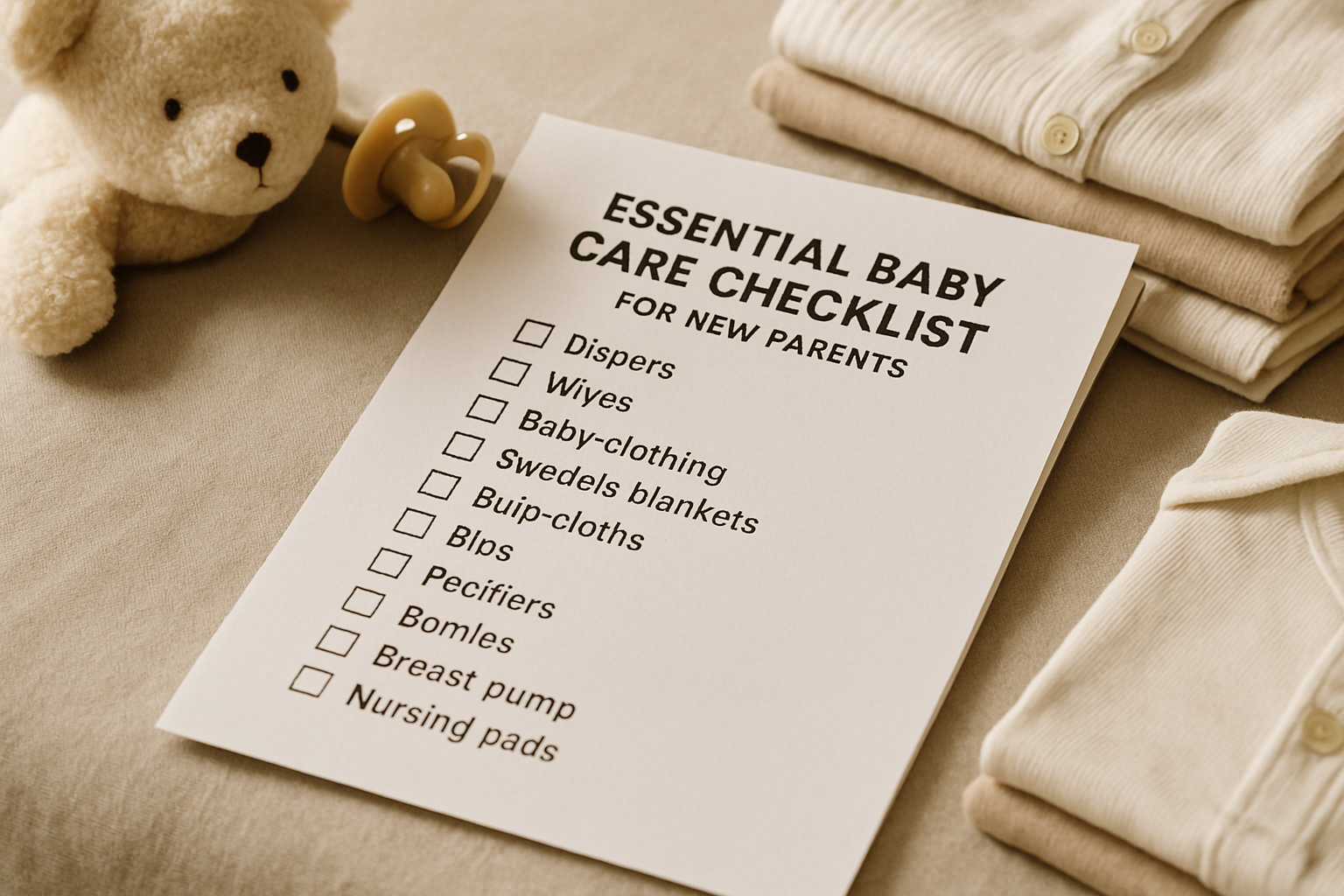
Essential Baby Care Checklist for New Parents 2026
Understanding Your Baby's Fundamental Physiological Requirements
Navigating the labyrinthine world of infant care necessitates a comprehensive understanding of your newborn's intricate physiological demands. The transition from intrauterine to extrauterine existence presents unprecedented challenges that require meticulous attention to detail and unwavering vigilance from caregivers.
Your baby's integumentary system—the delicate skin barrier—remains remarkably permeable during the initial months of life. This heightened permeability necessitates the selection of hypoallergenic, dermatologically-tested products that maintain the skin's natural pH balance while preventing irritation and inflammatory responses.
Thermoregulatory Considerations
Neonatal thermoregulation represents one of the most critical aspects of early childcare. Infants lack the sophisticated mechanisms adults employ to maintain core body temperature, making them particularly susceptible to hypothermic and hyperthermic episodes.
Quality swaddle blankets constructed from breathable, organic materials provide the optimal microenvironment for temperature stability. The swaddling technique mimics the secure confines of the womb while preventing startling reflexes that can disrupt precious sleep cycles.
Digestive System Maturation
The gastrointestinal tract undergoes remarkable developmental changes during the first year of life. Understanding these physiological adaptations enables parents to anticipate feeding schedules, recognize normal versus concerning digestive patterns, and implement appropriate nutritional strategies.
Feeding frequency typically ranges from eight to twelve sessions within a twenty-four-hour period, with variations depending on individual metabolic rates and growth spurts. Monitoring output patterns provides valuable insights into hydration status and overall digestive health.
Essential Hygiene and Cleansing Protocols
Establishing meticulous hygiene protocols forms the cornerstone of preventive pediatric care. The implementation of consistent cleansing routines significantly reduces the risk of dermatological complications, infections, and discomfort that can compromise your infant's wellbeing.
Diaper Management Systems
Contemporary diaper technology has revolutionized infant care through advanced absorption capabilities and leak-proof engineering. Premium diapers incorporate superabsorbent polymers that effectively wick moisture away from delicate skin surfaces, maintaining optimal dryness for extended periods.
The frequency of diaper changes varies considerably based on individual voiding patterns, but generally occurs every two to three hours during waking periods. Nocturnal changes may be necessary for heavy wetters or during periods of gastrointestinal distress.
Remember that prolonged exposure to moisture creates an ideal environment for bacterial proliferation and can lead to painful diaper dermatitis that requires medical intervention.
Cleansing Product Selection
The selection of appropriate cleansing products requires careful consideration of ingredient profiles and potential allergenicity. Water-based wipes formulated without alcohol, fragrances, or harsh chemicals provide gentle yet effective cleansing action without compromising the skin's natural protective barrier.
For particularly sensitive skin types, consider utilizing soft cloth materials dampened with warm water as an alternative to commercial wipes. This approach eliminates potential irritants while maintaining thorough cleansing efficacy.
Sleep Environment Optimization
Creating an optimal sleep environment profoundly impacts your infant's developmental trajectory and overall health outcomes. Quality sleep facilitates crucial neurological development, immune system strengthening, and growth hormone production that occurs primarily during deep sleep phases.
Mattress Protection and Safety
Waterproof mattress protectors serve dual purposes: maintaining hygiene standards while preserving the integrity of expensive bedding investments. Advanced protectors utilize breathable membrane technology that prevents liquid penetration while allowing airflow circulation to prevent overheating.
The installation of high-quality mattress protection eliminates concerns about permanent staining from inevitable accidents while creating a barrier against dust mites and other allergens that can trigger respiratory sensitivities.
Sleep Schedule Establishment
Circadian rhythm development occurs gradually over the first several months of life. Initially, newborns experience polyphasic sleep patterns with frequent awakening cycles that gradually consolidate into more predictable nocturnal sleep periods.
Consistency in bedtime routines signals the developing nervous system to prepare for rest. These routines might include gentle massage with specialized infant oils, quiet feeding sessions, and dimmed lighting to promote melatonin production.
Nutritional Support and Feeding Essentials
Nutritional adequacy during infancy establishes the foundation for lifelong health and optimal development. Whether pursuing breastfeeding, formula feeding, or combination approaches, maintaining proper hygiene and preparation techniques ensures your infant receives safe, nutritious sustenance.
| Age Range | Feeding Frequency | Volume per Session | Daily Total |
|---|---|---|---|
| 0-1 month | 8-12 times | 1-3 oz | 8-32 oz |
| 1-3 months | 6-8 times | 3-4 oz | 18-32 oz |
| 3-6 months | 5-6 times | 4-6 oz | 20-36 oz |
Sterilization and Preparation
Proper sterilization protocols eliminate pathogenic microorganisms that pose serious health risks to developing immune systems. Steam sterilization, boiling methods, and specialized sterilizing solutions each offer effective pathogen elimination when implemented correctly.
Formula preparation requires precise attention to powder-to-water ratios, temperature control, and mixing techniques. Improper preparation can result in nutritional imbalances or contamination that compromises infant health.
Skin Care and Protection Strategies
Neonatal skin requires specialized care protocols that address its unique characteristics and vulnerabilities. The stratum corneum—the outermost skin layer—remains significantly thinner in infants, creating increased susceptibility to environmental irritants and moisture loss.
Moisturization and Barrier Protection
Therapeutic oils specifically formulated for infant use provide essential fatty acids that support barrier function development. These specialized formulations often incorporate natural ingredients like coconut oil, jojoba oil, or sunflower oil that offer antimicrobial properties alongside moisturizing benefits.
Application techniques matter significantly. Gentle massage movements that follow the natural direction of hair growth promote absorption while providing beneficial tactile stimulation that supports neurological development.
Environmental Protection
Environmental factors including temperature fluctuations, humidity levels, and air quality significantly impact skin health. Maintaining ambient humidity levels between forty and sixty percent prevents excessive moisture loss while avoiding conditions that promote bacterial growth.
Safety Considerations and Emergency Preparedness
Comprehensive safety planning encompasses both preventive measures and emergency response protocols. Understanding common pediatric emergencies and maintaining appropriate supplies ensures rapid, effective intervention when situations arise.
Essential Safety Equipment
- Digital thermometer with flexible tip design
- Infant-specific nail clippers with rounded edges
- Soft-bristled brush for cradle cap management
- Nasal aspirator for congestion relief
- Emergency contact information readily accessible
Monitoring and Assessment
Regular assessment of growth parameters, developmental milestones, and behavioral patterns provides early detection of potential concerns. Weight gain patterns, feeding efficiency, and sleep quality serve as reliable indicators of overall health status.
Temperature monitoring becomes particularly crucial during illness or environmental stress. Fever management protocols should be established in consultation with pediatric healthcare providers before emergency situations arise.
Common Questions About Baby Care Essentials
What frequency should diaper changes occur during overnight periods? Overnight diaper changes depend on individual voiding patterns and skin sensitivity. Heavy wetters may require nocturnal changes to prevent leakage and skin irritation, while others may tolerate extended periods with premium absorption products.
How can parents determine if skin products are causing adverse reactions? Allergic responses typically manifest as erythema, raised bumps, or increased irritability following product application. Discontinue use immediately and consult healthcare providers if reactions persist or worsen.
What storage conditions optimize the efficacy of baby care products? Most products require cool, dry storage away from direct sunlight. Check expiration dates regularly and avoid using products beyond recommended timeframes, as efficacy and safety may be compromised.
When should parents transition between different product formulations? Product transitions should be gradual, introducing new items individually to monitor for adverse reactions. Seasonal changes or developmental stages may necessitate adjustments to care routines and product selections.
How do environmental factors influence product selection decisions? Climate conditions, seasonal variations, and indoor air quality significantly impact skin hydration needs and product performance. Adjust routines accordingly to maintain optimal comfort and protection year-round.